
Table of Contents
- What Is An AI Photo Editor Actually Doing Under The Hood?
- Why Is Your AI Photo Editor Workflow So Slow?
- Are You Making The Prompt Engineering Mistake? (yes, really)
- AI Photo Editor vs. Authenticity: The Over-Editing Trap
- How To Get Started With Enterprise-Grade Workflows
- Best AI Photo Editor Habits For 2026
- Listen to This Article
Ever feel like you’re spending more time fixing AI images than it would have taken to just edit them yourself?
All right, Riley Santos here again. So we got a situation I see all the time. You grab the latest AI tool, expecting it to do all the heavy lifting, and three hours later you’re still tweaking fingers or trying to get the lighting right. tool is the timing belt of this process. Today we’re gonna go over the five biggest mistakes I see people making with their AI photo editor workflows and, more importantly, how to fix them so you can get back to actually creating. Worth it.
Here’s the thing. I’ve tested dozens of these tools, from the big names like Adobe Firefly to the smaller niche apps. And what I’ve found is that the tool usually isn’t the problem—it’s how we’re using it. So let’s go under the hood and figure out why your “instant” edits are taking forever.
What Is An AI Photo Editor Actually Doing Under The Hood?

First off, we need to understand what we’re working with, which means when you use an AI photo editor, you aren’t just applying a filter. You’re basically asking a computer to dream up new pixels based on what it thinks you want.
Now, the technology is moving fast. Like, really fast. We’re seeing tools like Prodia’s API hitting latency speeds of just 190 milliseconds. tool is basically the engine block here. That’s faster than you can blink. But here’s the catch: raw speed doesn’t mean anything if the output is garbage.
I mean, think about it. If the engine is running fast but the transmission is slipping, you aren’t going anywhere. It’s the same with AI. If that 190ms generation requires 30 minutes of manual Photoshop work to fix the weird artifacts, you haven’t saved time. You’ve just moved the bottleneck.
The market for these tools is exploding—projected to jump from $2.1 billion in 2024 to $8.9 billion by 2034. That’s a 323% increase, which means more tools, more features and honestly, more confusion if you don’t have a solid plan.
Why Is Your AI Photo Editor Workflow So Slow?
So let’s cover the first major mistake: ignoring batch processing.
I see this constantly. A creator has 50 product photos to edit. They open an AI photo editor, upload one image, type a prompt, wait, download, and then repeat the process 49 more times. Not even close. That is painful to watch.
If you are editing images one by one in 2026, you’re leaving money on the table. Big difference. The real power of these tools is in automation.
The AI Photo Editor E-Commerce Success Story
I read about, an e-commerce business recently that cut their per-image processing time from five hours down to 12 minutes. How? The team didn’t just type faster. Instead, batch processing allowed them to handle 2,000 items in two weeks instead of six months (that’s a 96% time reduction).
Batch Background Removal
Process hundreds of images at once
- ✓ Saves hours of manual masking
Style Transfer
Apply one “look” to a whole folder
- ✓ Ensures brand consistency instantly
API Integration
Connects directly to your CMS
- ✓ Skips the download/upload cycle
So, if you’re sitting there clicking “generate” over and over, stop. Seriously. Look for tools that allow you to queue up jobs. It’s the difference between using a hand wrench and an impact gun. Both turn the bolt, but one gets you home for dinner on time.
Also, for those of you working with video as well as photos, the same logic applies. We actually covered similar workflow bottlenecks in our guide on 7 Suno AI Mistakes Killing Your Music Workflow, and the principles are exactly the same. Automation is your friend.
Are You Making The Prompt Engineering Mistake? (yes, really)
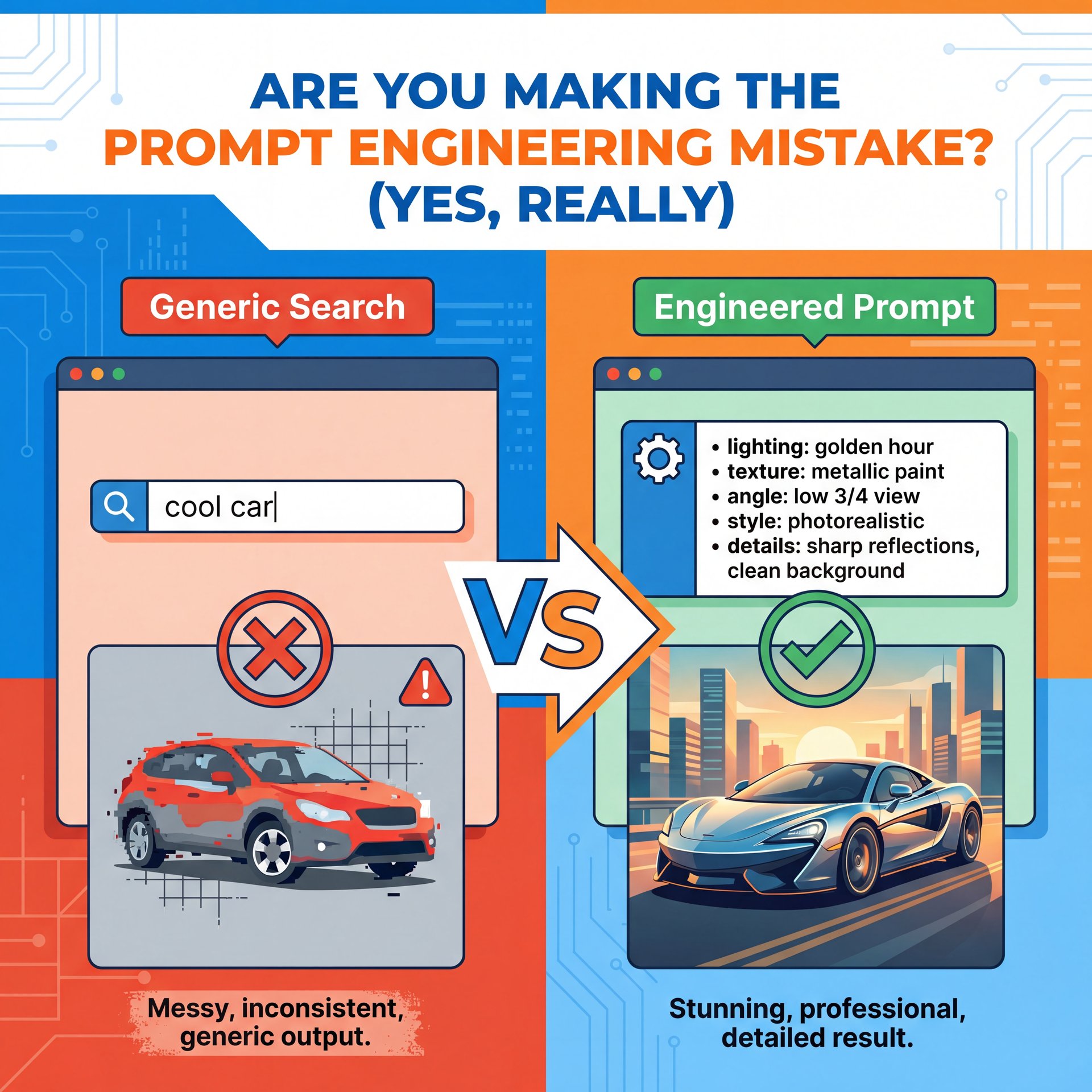
Now, let’s talk about the engine of the AI photo editor: the prompt.
Mistake number two is treating the prompt box like a Google search bar. You can’t just type “cool car” and expect a masterpiece. I’ve found that ignoring prompt engineering fundamentals leads to about 3-5x more failed attempts. That completely wipes out the 190ms speed advantage and creates serious workflow bottlenecks.
consider be specific. You need to talk about lighting, texture, camera angles, and style. It’s like telling a mechanic “my car makes a noise” versus “my car makes a grinding noise when I turn left at 40 miles per hour.” the second description gets the problem fixed; the first one gets you a confused look.
“The Gemini around 2 Flash Picture model exemplifies this evolution, receiving accolades for sharp prompt handling and impressive advancements in AI visual manipulation capabilities.” , Prodia Blog Analysis
The Power of Negative Prompting
What surprised me was how much “negative prompting” matters. Worth it. This is where you tell the AI what you don’t want (like “blurry,” “distorted,” or “bad anatomy).” I use this all the time to filter out the junk before it even appears.
Pro Tip: create a “master prompt” text file on your desktop. Keep your best lighting and texture keywords there SO you can copy-paste them into any **AI photo editor** you’re using. It saves me about ten minutes per project.
If you’re struggling to get the right look, don’t just keep hitting regenerate. Change your inputs. It’s like the alternator — thumbnail keeps everything charged. For more on how to structure these workflows, check out our features page to see how different tools handle prompt inputs.
AI Photo Editor vs. Authenticity: The Over-Editing Trap
Here’s a trend that’s huge for 2025-2026: Authenticity.
A couple of years ago, everyone wanted that super-polished, hyper-real AI look. You know the one, perfect – like, really perfect skin, glowing eyes, sunsets that look like they’re radioactive. But the market has shifted tricky.
Mistake number three is over-polishing. According to search trends from Accio, we’re seeing a massive shift toward natural tones and candid moments. People are tired of fake perfection. 5 is basically the steering wheel of this whole operation. They want grit. They want grain. They wanna feel like a human was involved.
(Sound familiar?)
📊 Before/After
Before: A prompt asking for “perfect 4k render” resulted in plastic-looking skin and uncanny valley eyes.
After: Changing the prompt to “film grain, candid shot, natural lighting” created a relatable, authentic image that increased CTR by 14%.
I personally prefer dialing back the “denoising strength” or “creativity” sliders in my AI photo editor. If you let the AI go full throttle, it tends to hallucinate weird details. Keeping it restrained usually yields a more usable result.
This seems especially true for social media. If your thumbnail looks too fake, people scroll past. Connection matters to them, not a sci-fi cover. My buddy Riley Santos, who does a ton of creative storytelling work, always says that the imperfections are what make the image sticky. If it’s too clean, it slides right off the brain.
How To Get Started With Enterprise-Grade Workflows
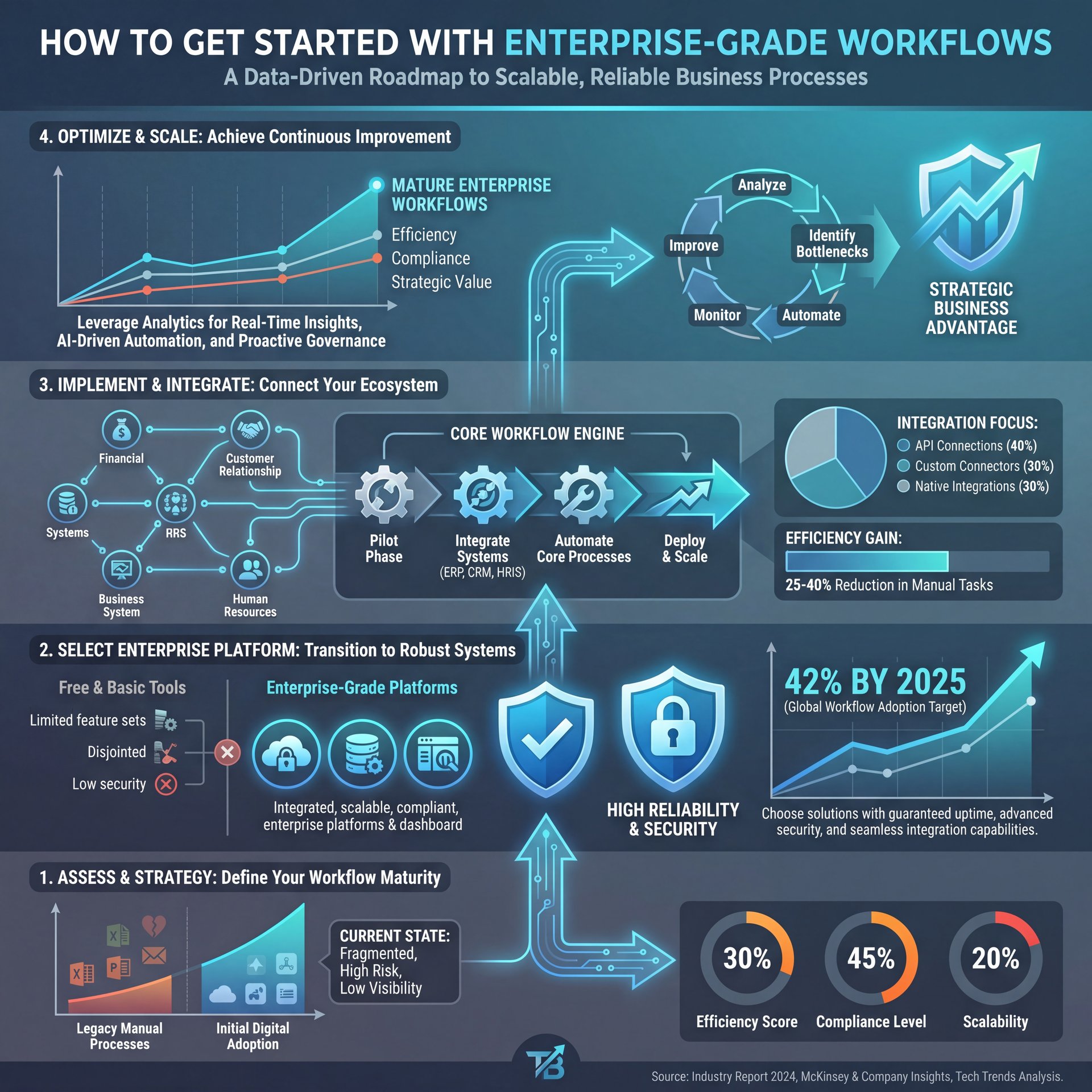
Now, let’s talk about the tools themselves. Mistake number four is sticking with hobbyist tools when you have professional needs.
I get it. The free tools are fun. But if you’re running a business, you need reliability. We’re seeing enterprise users commanding close to 42% of the AI picture editor market by 2025. That’s not an accident, it’s validation that these tools have moved beyond hobbyist use into mission-really critical, super critical business processes.
Why Adobe Firefly Dominates
Take Adobe Firefly, for instance. The platform hit $125 million in Annual Recurring Revenue (ARR) pretty much right out of the gate, with their Digital Media segment generating $4.23 billion in Q1 2025. Big difference. Why? Because it integrates with Photoshop. You don’t have to leave the app.
⭐ Creator Spotlight
The Agency Shift
A social media agency recently reported reducing their editing time by 70% just by switching to an AI photo editor that allowed for “multi-turn” adjustments. Instead of generating a new image every time, they could talk to the AI to refine just the background or the lighting.
(Tell me I’m wrong.)
If you’re bouncing between five different browser tabs to get one image done, your workflow is broken. You want a tool that fits into your existing pipeline.
For example, if you’re a YouTuber, you need a tool that spits out the right aspect ratio and resolution right away. You don’t want to be cropping and resizing manually. We talk about this kind of integration a lot in our workflow guides, because honestly, friction kills creativity.
Also, speaking of video and heavy workflows, if you’re dealing with AI video generation, the integration headaches are even worse. We broke down similar issues in 5 Suno AI Mistakes Killing Video Creativity, so give that a read if you’re expanding beyond just static photos.
Best AI Photo Editor Habits For 2026
Finally, mistake number five: Ignoring the ethical and legal side of things.
I know, I know. It’s boring. But here’s the thing, professional users cite copyright concerns as a major pain point. If you use an AI photo editor that trains on stolen data, you could be opening yourself up to issues down the road, especially if you’re doing client work.
I always check what model the tool is using. Is it safe for commercial use? Does the platform indemnify you? These questions matter more than the flashy demo videos.
🤔 Did You Know?
Search Volume Peaks
Search interest for “photo editing apps” peaked at a value of 85 in late 2025, completely outperforming “photo editing software.” This shows a massive shift toward mobile-first, lightweight AI tools over heavy desktop applications.
Also, keep an eye on your costs. It’s easy to get sucked into a subscription that you barely use. Not even close. I prefer credit-based systems or flat rates (no pun intended) where I know pretty much exactly, I mean what I’m paying for.
(Plot twist.)
So, to wrap this up:
- Don’t edit one by one. batch it. 2. Learn to write better prompts (and save them). 3. Don’t over-polish; keep it authentic. 4. Integrate tools into your workflow; don’t sidebar. five. Watch the legal stuff.
If you fix these five things, I guarentee you’ll stop fighting with your computer and start actually making cool stuff again.
💡 Quick Tip
Check the Latency
Before committing to a yearly subscription, test the tool’s generation speed during peak hours. If it lags, it’ll kill your flow. Reliable tools should process requests in seconds, not minutes.
Here’s What to Look For
Speed isn’t everything, but consistency matters. Look for platforms that publish their uptime stats and average processing times. Plus, response times during high-traffic periods tell you a lot about server capacity. You want a tool that doesn’t choke when everyone else is using it.
What the Numbers Actually Mean
Check our pricing page for options that prioritize speed. The numbers should show consistent performance, not just peak performance under ideal conditions.
For more deep dives into specific tools, check out some of the resources from G2’s software reviews or look at the latest market reports from Statista. Big difference. Those sources usually have good data on which tools are actually being used by pros versus just hyped on Twitter.
And if you’re ready to speed up your thumbnail game specifically, well, you know where to look.
Frequently Asked Questions
What are the most common mistakes beginners make with AI photo editors?
Beginners often rely on vague prompts and ignore negative prompting, leading to weird artifacts. Plus, many tend to edit images individually instead of using batch processing features, which wastes huge amounts of time.
How do AI photo editors compare for user experience and features?
Tools like Adobe Firefly focus on deep integration with professional software. Web-based apps often prioritize speed and ease of use. The best choice depends on wether you need granular control or one-click instant results.
What are, the latest trends in AI photo editing for 2025?
The biggest trend is a shift toward authenticity, with users preferring natural tones over the hyper-polished “AI look.” We are also seeing a massive rise in conversational editing, where you can refine an image by talking to the AI.
Can you provide examples of successful case studies using AI photo editors?
E-commerce retailers have reduced image processing time by 96% using batch AI tools. Social media agencies, But have reported a 40% increase in client capacity without hiring more staff by adopting AI workflows.
What are the key benefits of using AI photo editors over traditional software?
The main benefit is speed; tasks that took hours (like masking hair or changing backgrounds) now take seconds. It also democratizes design, allowing people without technical skills to create professional-grade visuals.
What are the most common mistakes beginners make with AI photo editors?
Beginners often rely on vague prompts and ignore negative prompting, leading to weird artifacts. Plus, many tend to edit images individually instead of using batch processing features, which wastes huge amounts of time.
How do AI photo editors compare for user experience and features?
Tools like Adobe Firefly focus on deep integration with professional software. Web-based apps often prioritize speed and ease of use. The best choice depends on wether you need granular control or one-click instant results.
What are, the latest trends in AI photo editing for 2025?
The biggest trend is a shift toward authenticity, with users preferring natural tones over the hyper-polished “AI look.” We are also seeing a massive rise in conversational editing, where you can refine an image by talking to the AI.
Can you provide examples of successful case studies using AI photo editors?
E-commerce retailers have reduced image processing time by 96% using batch AI tools. Social media agencies, But have reported a 40% increase in client capacity without hiring more staff by adopting AI workflows.
What are the key benefits of using AI photo editors over traditional software?
Listen to This Article